
Street craps rules reward people who can read a table the way a trader reads order flow, not just fans who hope the dice land kindly. That discipline matters because the game moves fast, the props change with every shooter, and the difference between a smart line and a noisy one is usually decided before the ball is in play. In regional New South Wales, where local gaming rooms and private gatherings blend with the kind of crowd that knows a busy arvo can turn a quiet table into a proper scramble, knowing the sequence matters more than knowing the slang.
How The Table Actually Works
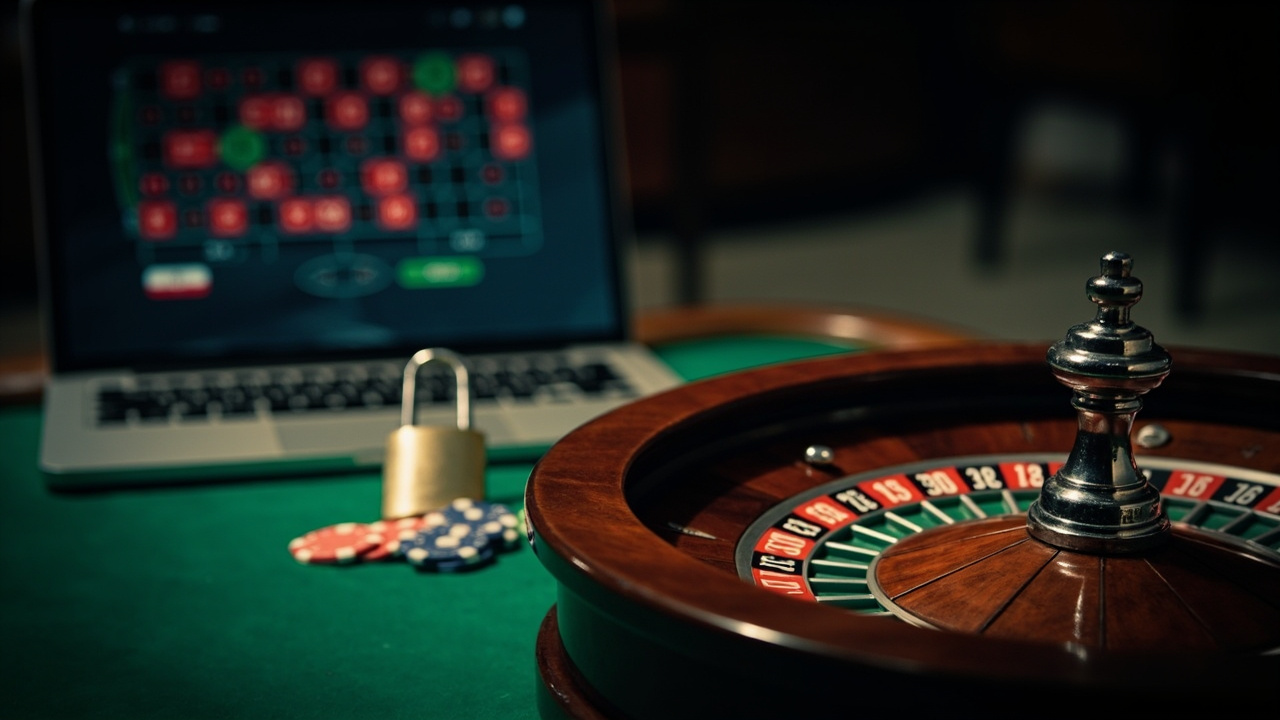
Street craps rules start with the shooter and the point, not with the fancy side bets that clutter the felt. The pass line is the backbone: you back the shooter to hit a 7 or 11 on the come-out, and you lose on 2, 3, or 12. Any other number becomes the point, and the round keeps running until that point repeats or a 7 rolls first. Don’t pass flips that logic, and the real skill is knowing when to stand aside rather than force a bet into a cold sequence. The marker on the table is not decoration; it tells you whether the dice are still in the opening phase or already chasing a point.
For operators and players alike, the cleanest tables are the ones where the rhythm is obvious. I’ve watched exchange APIs and automated sports workflows handle thousands of micro-decisions a minute, and the same principle applies here: the table is readable when the sequence is consistent, the shooter is steady, and the crowd isn’t shouting over the marker. That is why a good session starts with watching two or three throws before putting money down. You are not late to the game; you are late to the noise if you bet before the pattern shows up.
The best way to keep that pattern visible is to treat the table like a live feed with a clear close signal. When the croupier waves over the table, the ball is in play and betting is closed, which is the exact moment you stop adding and start reading what already happened. That discipline is the same habit I bring from prediction markets and exchange infrastructure: you do not keep layering exposure after the close, because the edge you had at entry is gone once the window shuts. Craps is simpler than a trading desk, but the courtesy is identical.
Street Craps Rules Step By Step For Beginners
If you are new to the felt, the easiest way to learn street craps rules is to follow the sequence rather than the hype. The game is built around a small number of repeatable moments, and beginners do better when they treat each throw as a separate decision instead of chasing a story about the shooter. Below is a practical way to walk into a table without confusing the come-out with the point phase.
-
Find the pass line and watch the come-out first. The shooter rolls to set or miss the point, and your first job is to see whether the table is settling into a rhythm or bouncing around. Do not place a bet until you have seen at least one full sequence, because the first throw tells you more than the chatter does.
-
Learn the two phases before you learn the side bets. A come-out roll and a point roll are not the same thing, and mixing them up is the fastest way to bet the wrong way on the wrong phase. Once you can tell which phase you are in, the rest of street craps rules stop feeling like a moving target.
-
Keep your first bets small and your hands visible. The table reads better when you are not wrestling with chips, and a small line lets you observe the shooter without turning every throw into a personal test. If you are playing in a regional New South Wales room or a private setup, this is also the polite way to stay in the game without slowing the crowd down.
-
Take the odds only after the point is set, and only if you understand the payoff. The odds bet is where the house edge drops, but it still needs a point to exist first. Beginners often rush this part, then wonder why the payout feels different from the pass line itself.
-
Know when to step back. A cold run, a tired shooter, or a table that keeps getting shouted over is not a sign to double up; it is a sign to watch. The same restraint I use when I’m reviewing an automated betting workflow applies here: if the inputs are messy, do not pretend the output is clean. elvis frog trueways within bonus game Cluster Pays Pontoon: Understanding Casino Games

The practical side of any session is also the boring side, which is exactly why it matters. A tidy table, clear markers, and a shooter who can repeat a point without drama are worth more than a loud room full of side bets. That is where a review focus becomes useful: you are not judging a game by its loudest feature, you are judging it by whether the sequence stays readable when money is on the line.
| Element | What it means on the table | Beginner takeaway |
|---|---|---|
| Pass line | Backs the shooter on 7 or 11 at come-out | Start here if you want the simple backbone |
| Don’t pass | Backs the opposite outcome on the come-out | Useful when you prefer the edge to sit with the table |
| Point | The number the shooter must repeat after come-out | Wait for it before you think about odds |
| Odds bet | Extra stake behind the pass line once the point is set | Lower house edge, but only after the point exists |
| Marker close | The croupier’s wave that ends betting for the round | Stop adding once the ball is in play |
Who This Game Fits Best
Street craps rules suit people who like a game with a visible sequence and a clear close, not people who want a dozen buttons and a promise that the next throw will fix the last one. If you enjoy reading a live table, keeping your stake modest, and walking away when the rhythm turns noisy, this is a decent fit. If you prefer fast, self-contained rounds with less dependence on a shooter’s run, you may find the back-and-forth a little too live for your taste. The game is not harder than it looks; it is just less forgiving when you bet before you understand the phase you are in.
That judgment call is the same kind I make when I’m assessing a new betting infrastructure setup or an Olympic-style discipline drill: the structure has to hold before the speed matters. A table can look exciting and still be a poor session if the marker is unclear, the crowd is drowning the shooter out, or the side bets are doing all the talking. The players who do best are the ones who treat the game as a sequence with a finish, not a lottery ticket that resets every throw.
There is also a practical reason to keep your expectations grounded. Novelty bets on Australian elections and weather are offered by bookmakers, and that kind of market can make people think every live event is a place to improvise. Craps is different: the dice do not care about headlines, and the table does not reward improvisation once the point is set. If you want a game where discipline shows up in your results, this one rewards patience more than flair.
For a closer read on how casino games and player risk interact, it helps to compare the table to a broader casino context rather than treating craps as a standalone novelty. That comparison is useful when you are deciding whether a live table suits your style, because the same risk habits that matter on one game often carry across to another. You can read more in this cluster pays pontoon overview if you want to see how different casino games handle player risk and decision speed.
The social side of the game matters too, especially outside the biggest rooms. Racing employs thousands across breeding, training and hospitality, and that same local-economy sense shows up in regional New South Wales gaming rooms where the crowd is mixed, the pace is uneven, and the regulars know the difference between a good run and a good story. That is not a reason to romanticise the game; it is a reason to respect the room you are in and play to the table you actually have.

Lucas O’Brien, Board Member, Laneway Interactive Media, puts it plainly: “A live table is only as good as its rhythm, and rhythm is what lets a player make a real decision instead of reacting to noise.” Benjamin Fraser, Marketing Director, Waratah Digital Group, is sharper on the practical side: “If the close signal is unclear, the session gets messy fast, and messy sessions are where people start overreaching.” Both comments point to the same thing: the game is playable, but only when the structure is legible.
When it comes to the larger iGaming picture, I’ve seen enough exits and workflow builds to know that a product only stays useful when the basics are boringly reliable. Street craps rules are no different. The sequence has to be obvious, the close has to be visible, and the player has to know when to stop adding. If those three things hold, the game is a solid live option for people who like reading a table instead of chasing one.
The right fit, then, is simple: choose street craps rules if you want a live table with a clear sequence, a visible close, and enough pace to keep you engaged without forcing you into constant improvisation. Skip it if you want a quiet, self-contained round with less dependence on a shooter’s run. Either way, the game rewards the player who watches first and bets second.