
If you’re weighing craps vs poker for your next session, the honest split comes down to pace and how much of the outcome you want to control. One side hands you a fixed rhythm with house-set odds, the other puts the decision-making squarely on your shoulders. I’ve spent fifteen years running acquisition across twenty-plus markets and a hundred million euros in spend, and the same operator truth keeps surfacing: players who chase pure adrenaline usually gravitate toward the dice, while those who treat every hand as a pricing problem stick with cards. Down on the Gold Coast, the weekend arvo crowd tends to drift toward the felt, but the loud, fast tables still pull their share when the hotel floors fill up. If you want to see how a modern lobby handles that split before you commit, you can spin up a dog house megaways demo at https://doghousemegawaysdemo.net/ and watch how a well-organised lobby surfaces different game types without burying the table section.
When a review actually earns its keep, it stops talking about vibe and starts mapping the lobby to how people search. A strong table section should let you filter by variant, stake band, and provider without making you dig through a carpet of slots first. The catalogue matters because poker and craps live in different corners of the same room: one thrives on multi-table tournaments and cash-game variants, the other on a tight rotation of pass lines, proposition bets, and live dealers who keep the pace honest. I’ve managed teams of a hundred and twenty where lobby discovery was the single biggest driver of retention, and the pattern is consistent – players abandon a platform the moment they can’t find their preferred table in three clicks. The best setups separate live tables from RNG tables, tag each by minimum and maximum stake, and surface provider names so you know whether you’re sitting behind a polished studio dealer or a quick-spin RNG table. Search should respect your filters, not reset them the moment you open a game, and the lobby should remember your last table rather than dumping you back at the homepage. If the operators behind the platform treat game mix as a merchandising problem, you’ll spot it in how cleanly the categories break apart and how fast the lobby loads on a decent connection.
The real fit question isn’t which game is superior; it’s which one matches the way you actually want to spend an evening. If you like reading opponents, managing your stack in small, deliberate increments, and accepting that variance is part of the craft, poker’s the natural home. If you prefer a faster cadence where the rules are fixed, the odds are posted, and the energy comes from the table rather than from outthinking a rival, craps will feel more comfortable. I’ve seen both sides fail when players pick the wrong room for their temperament, and the mismatch usually shows up in bankroll management long before it shows up in results. A few practical filters help narrow it down:
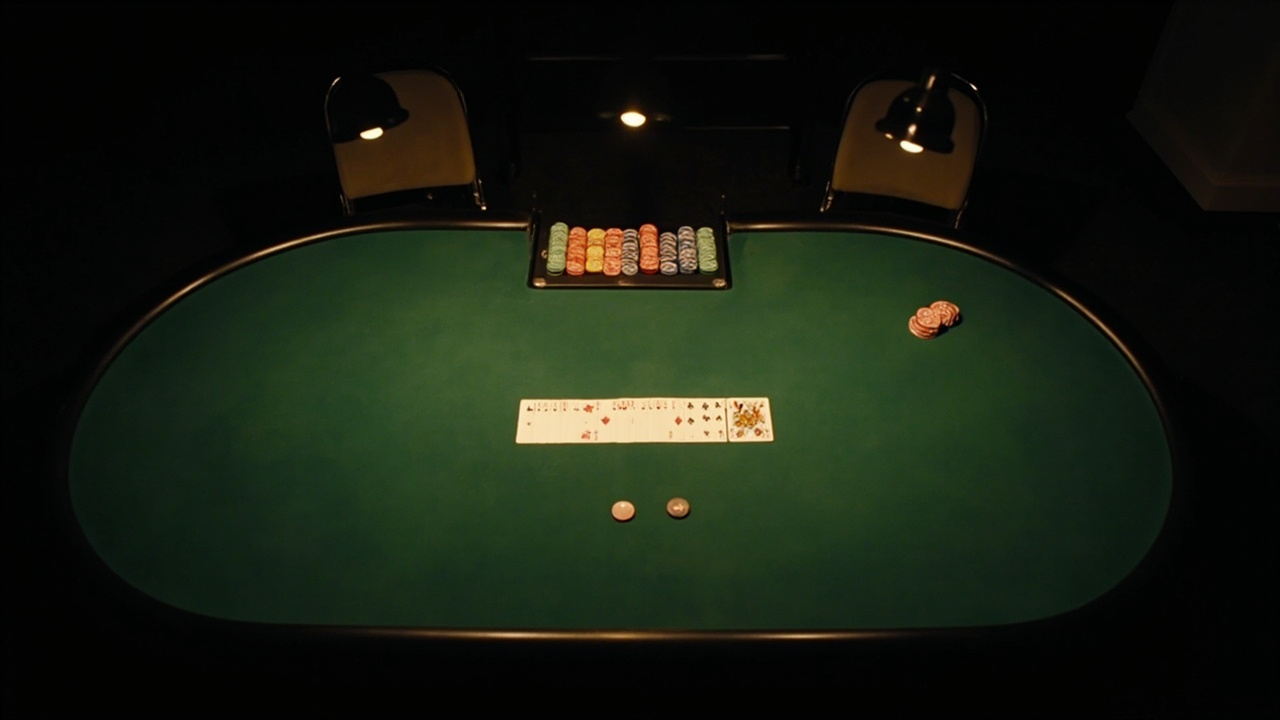
- Choose poker if you want decision density and the ability to fold your way out of a bad spot.
- Choose craps if you want a structured rhythm and don’t mind leaning on posted odds rather than opponent reads.
- Stick with live tables if you value a visible dealer and a slower, more social pace.
- Lean toward RNG tables if you want quicker sessions and tighter stake control.
None of that guarantees a winning session, and no lobby layout changes the maths underneath, but it does determine whether you can actually play the way you intended. The Gold Coast crowd I’ve watched tend to pick poker when they want a quieter, more focused night, and craps when they’re after a louder, more communal table. Either way, the platform should let you switch between them without making you relearn the navigation each time.
A credible operator also needs to prove its table offering is backed by the same infrastructure as its slots, not bolted on as an afterthought. That means registration that doesn’t ask for different documents depending on whether you’re joining a cash game or a dice table, payment paths that handle the currencies you actually use, and mobile play that doesn’t collapse the table layout when you rotate the screen. I’ve reviewed enough platforms to know that a polished lobby means little if the support team can’t answer a basic table-rule question without handing you a scripted loop. Loyalty programs should recognise table play, not just spin volume, and bonus mechanics need to be readable at a glance so you know what’s wagering, what’s capped, and what’s tied to a specific game mix. If you’re comparing sites, watch for the small inconsistencies: a lobby that looks tidy until you filter by stake, a mobile view that hides the minimum bet, or a cash-out path that suddenly asks for extra steps after a table session. None of it is glamorous, but it’s the difference between a room you can actually use and one that looks good in a screenshot.
The short answer on craps vs poker is that neither wins by default; they just solve different moods. Pick the one that matches how you want to think, how fast you want the table to move, and how much control you want over every decision. If the lobby puts the right table in front of you without a scavenger hunt, you’ve got a platform worth returning to; if it doesn’t, the game underneath won’t save the experience.